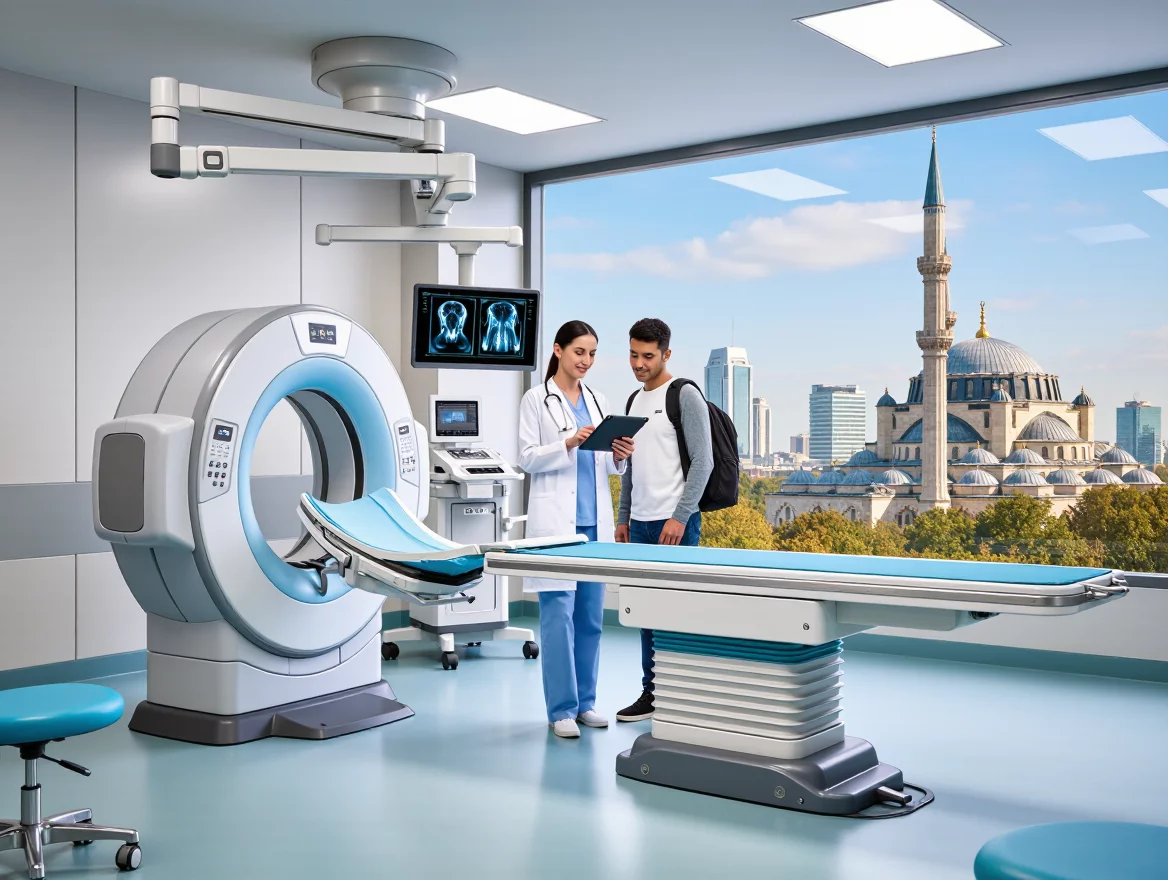
Traditional and Modern Medicine Approaches in Turkey
Discover the approaches of traditional and modern medicine. Read our article to understand the healthcare system in Turkey!
In Turkey’s healthcare services, both modern medicine and traditional and complementary medicine (GETAT) methods are applied side by side. This approach offers a holistic health model based on patients’ needs.
Traditional Medicine in Turkey: Its History and Cultural Significance
Traditional Turkish medicine has a history that spans centuries. During the Ottoman Empire, medical education and practices were taught in madrasahs. The foundation of traditional medicine lies in using resources provided by nature. Methods such as herbal remedies, acupuncture, and massage form essential parts of this system.
Applications of Traditional Medicine: Medicinal Plants and Other Methods
Commonly used medicinal plants in traditional Turkish medicine include sage, thyme, ginger, and nettle. These plants are used to treat various illnesses and are widely preferred by the public. For example, ginger is known to be effective for the common cold, while sage is used as a natural remedy for sore throats.
Modern Medicine Approaches: Developments and Innovations in Turkey
In recent years, Turkey has made significant technological and academic advancements in the health sector. Modern medical approaches enable patients to receive faster, more reliable, and personalized treatment.
1. Digital Health and Telemedicine
-
Online appointments and tele-consultation systems have become widespread.
-
Digital health platforms like E-Nabız manage patient data centrally.
2. Personalized Medicine
-
Genetic testing and bioinformatics solutions are used for the early diagnosis of diseases.
-
Patient-specific drugs and treatment protocols are applied in cancer therapy.
3. Artificial Intelligence and Robotic Surgery
-
AI-assisted imaging increases early diagnosis rates.
-
Robotic surgery is successfully used in cardiology, urology, and orthopedics.
4. Advanced Treatment Methods
-
Cellular therapies and stem cell applications are becoming more common.
-
Turkey ranks among the top countries worldwide in organ transplantation.
5. Health Tourism and International Impact
-
Turkey stands out in health tourism with its modern infrastructure and expert physicians.
-
It has become a regional hub for cosmetic surgery, ophthalmology, dentistry, and cancer treatments.
Differences Between Traditional and Modern Medicine: Which One Should You Choose?
1. Modern Medicine
-
Science-based: Works with clinical research and evidence-based methods.
-
Technology-assisted: Uses modern tools like imaging, artificial intelligence, and robotic surgery.
-
Emergency and serious illnesses: It is the primary approach for cancer, heart disease, and surgical interventions.
2. Traditional Medicine
-
Historically rooted: Based on methods like herbal remedies, acupuncture, and cupping therapy.
-
Supportive role: It is complementary for chronic pain, stress, sleep problems, and improving quality of life.
-
Natural methods: Offers drug-free treatment options but is not always supported by scientific evidence.
3. Which Should Be Chosen?
-
Modern medicine should be preferred for emergencies and serious conditions.
-
For supportive care and quality of life improvement (e.g., stress, mild pain), traditional medicine can be used alongside modern medicine.
-
The healthiest approach is the combined application of both methods under the supervision of specialist physicians, approved by the Ministry of Health.
Frequently Asked Questions (FAQ)
What are traditional medicine methods?
They are supportive methods such as herbal therapy, acupuncture, cupping therapy, leech therapy, aromatherapy, and massage.
What are the differences between alternative medicine and modern medicine?
Modern medicine is based on science and technology, while alternative medicine relies on supportive, traditional, and natural methods.
Which hospitals offer traditional medicine?
It is practiced in GETAT centers in university and private hospitals, as approved by the Ministry of Health.
What is the traditional healthcare approach?
It takes a holistic view of illness and aims to improve quality of life through natural and complementary methods.