Lesser-Known Cultural Experiences in Turkey
Embark on a journey filled with undiscovered cultural experiences in Turkey. Explore unique traditions and local life off the beaten path!
1. Beypazarı – History, Crafts, and Local Life Near Ankara
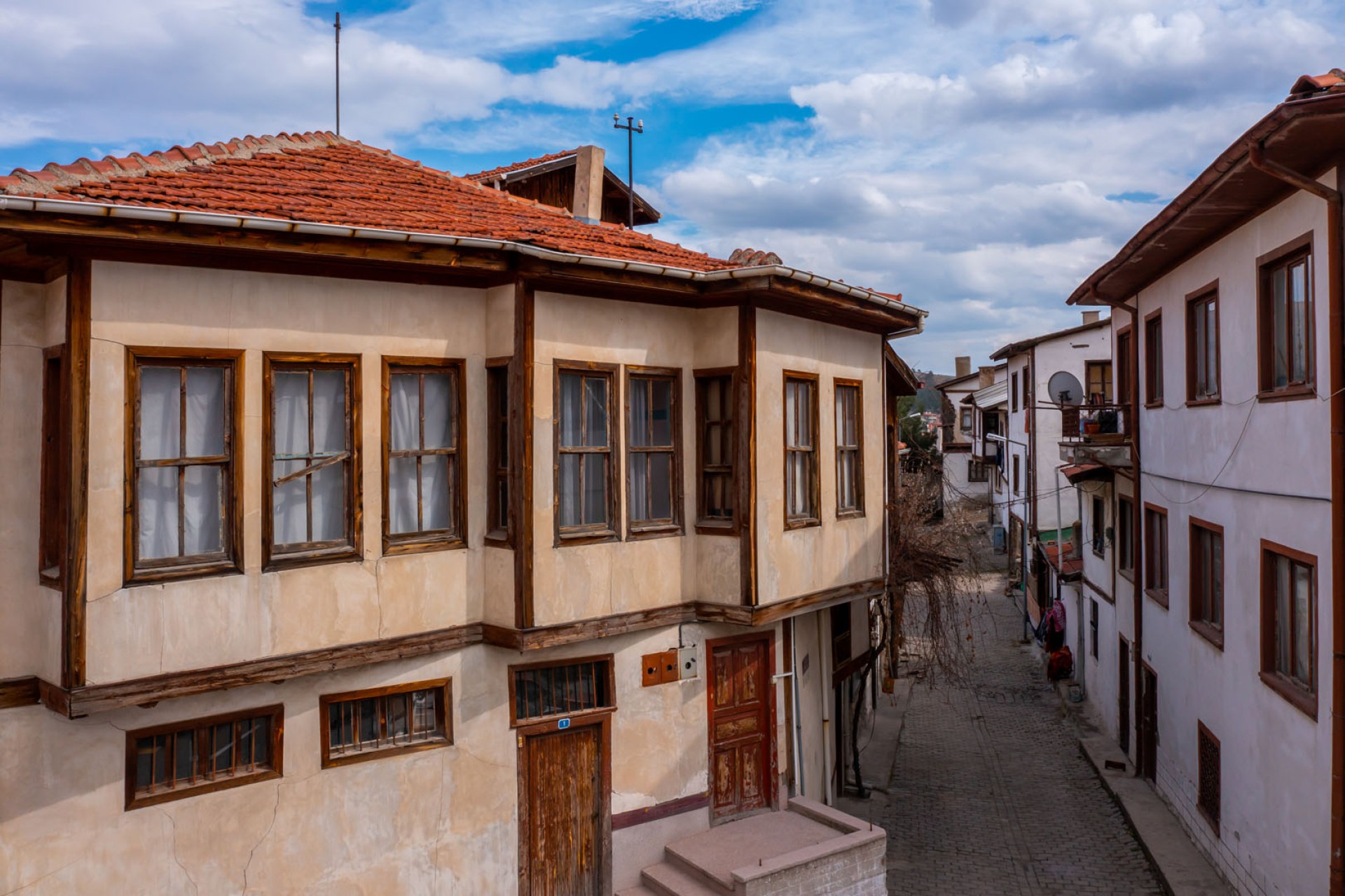
- Beypazarı stands out with its well-preserved Ottoman-era stone houses and narrow streets.
- It’s also a place where you can witness traditional handicrafts like telkari (intricate silver filigree work).
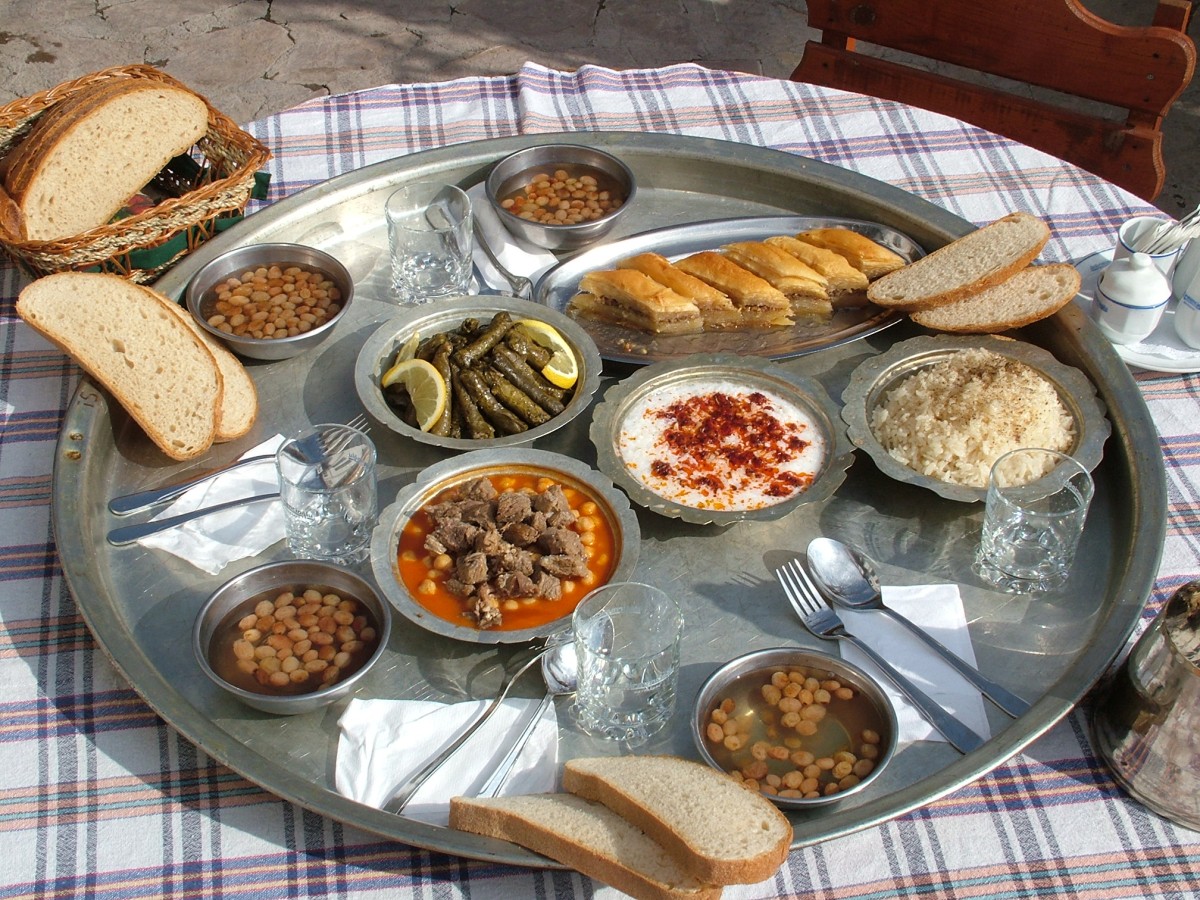
- Its local cuisine is also unique, featuring everything from carrots in creative dishes to other authentic flavors.
Why is it considered “lesser-known”? Compared to the tourist-heavy coastal cities, it offers a calmer, more local atmosphere.
Our Tip: Visiting a local craft workshop or catching the morning market can be a great experience.
2. Traditional Sports and Festivals
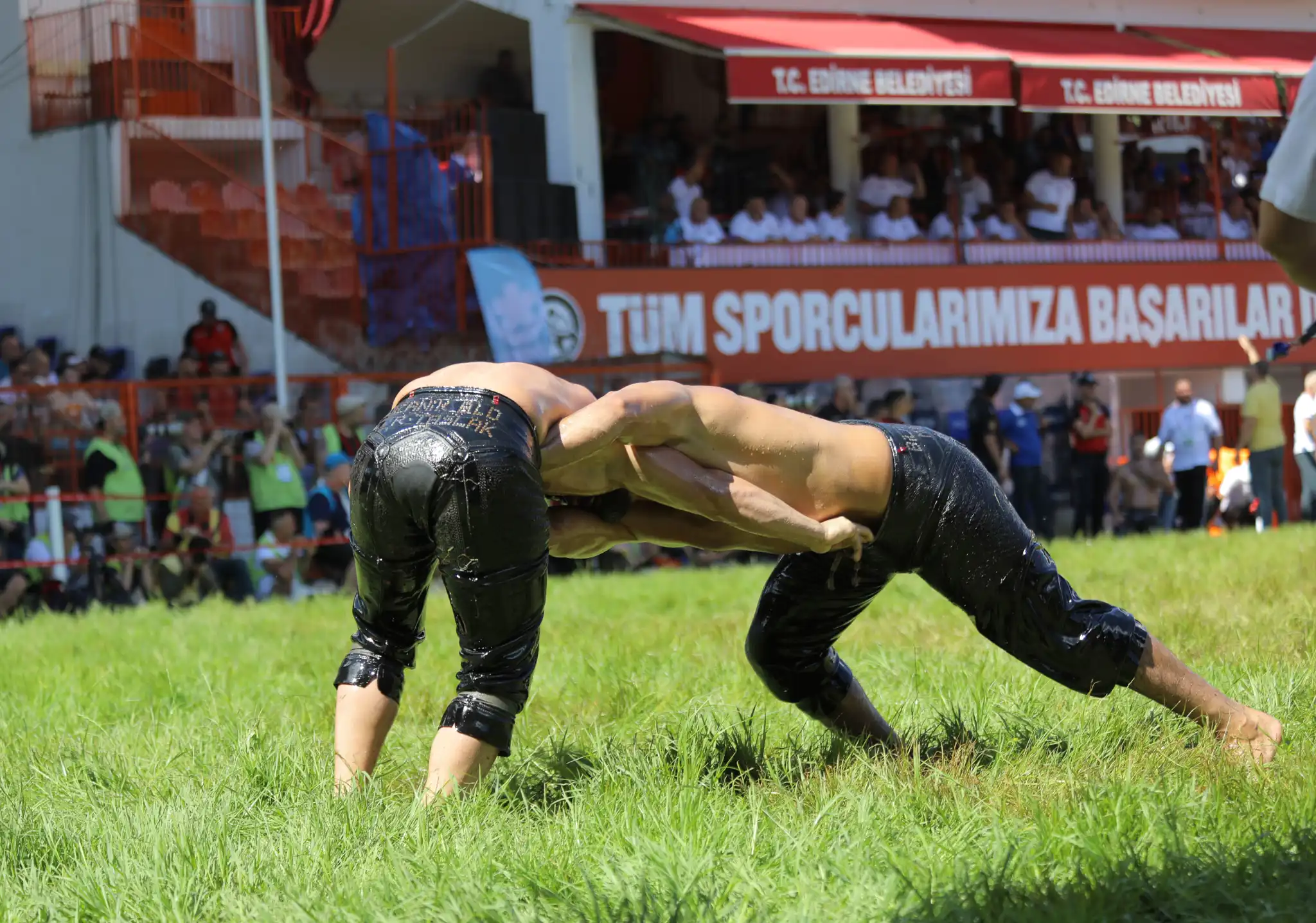
- The Kırkpınar oil wrestling competitions are a tradition dating back to the Ottoman period and are still held today.
- It’s an unusual sport: the wrestlers cover themselves in olive oil and compete in traditional attire.
Why is it noteworthy? It’s not just a sporting event; it combines local culture, tradition, and celebration. It’s not widely known among tourists.
Our Tip: Keeping an eye on the schedule for events in and around Edirne to attend or watch one can be a very rewarding experience.
3. Daily Cultural Rituals – Hamam, Tea Gardens, and Coffee Fortune-Telling

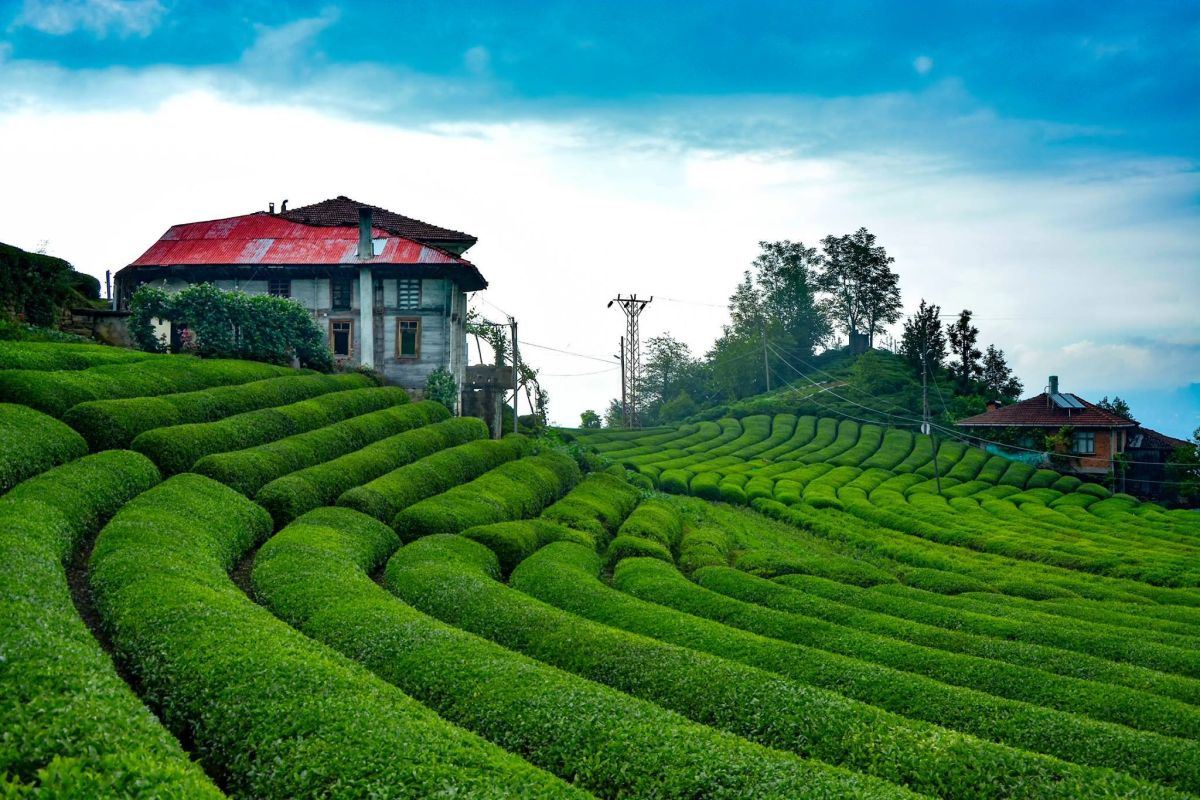
- Locals have deeply rooted rituals in their daily lives: for example, a visit to a traditional hamam (Turkish bath) has a rich historical background.
- There are simple yet culturally rich experiences like sitting in a çay bahçesi (tea garden) or drinking Turkish coffee and having your fortune told from the grounds.
Why can these be called “lesser-known”? While tourists often fill their “must-see” lists with hotels, restaurants, and museums, these rituals feel closer to local life and more “authentic.”
Our Tip: Even in big cities, stopping by a tea garden early in the morning to chat with the locals can be a fantastic experience.
4. Exploring Eastern Turkey – İshak Paşa Palace, for Example

- İshak Paşa Palace, located in the Eastern Anatolia region, is a structure that doesn’t receive a huge number of visitors but is remarkable for its architecture and history.
What makes it special? It’s located in a region where city tourism isn’t as intense, making the experience both peaceful and more “original.”
Our Tip: It’s important to check road and weather conditions before traveling here; access in the eastern regions can sometimes be more challenging.
Unique Local Festivals and Traditional Experiences
- Bocuk Gecesi (Edirne/Keşan):
- Experience: Similar to Halloween, this is a traditional winter celebration based on pagan beliefs. Young people wrap themselves in white sheets, paint their faces, and go door-to-door, playfully scaring homeowners in a humorous festivity. It’s one of the most unusual traditional festivals in Turkey.
- Karaburun Nergis Festivali (İzmir/Karaburun):
- Experience: Held in January, this festival celebrates the harvest and trade of the narcissus, the Aegean’s delicate winter flower.
- What’s Special: You can meet the growers, taste local delicacies, and join a winter celebration surrounded by unique aromas in the distinctive nature of the Aegean.
- Çal Culture, History, and Sheep-Crossing-Water Festival (Denizli/Çal):
- Experience: This is a centuries-old Yörük (nomadic) tradition that involves training flocks of sheep to cross a stream or river.
- What’s Special: This fun and unusual event offers a rare glimpse into Yörük culture and livestock traditions.
- The Tradition of Ceremonial Keşkek (UNESCO Heritage):
- Experience: This is the ritual preparation of a traditional dish made on special occasions like weddings, circumcisions, or holidays, bringing the community together.
- What’s Special: Participating in the conversations and prayers that last until morning around the Keşkek cauldrons offers an opportunity to deeply experience Turkish hospitality and community bonds.
Hidden Historical and Archaeological Heritage
- Aizanoi Ancient City (Kütahya):
- Experience: With its Temple of Zeus, stadium, and a structure known as the world’s first stock exchange building, it is one of the most magnificent cities of the Roman period.
- What’s Special: It has begun to be called the “Second Cappadocia” because it also features natural formations resembling the fairy chimneys in Cappadocia.
- Sagalassos Ancient City (Burdur):
- Experience: Its well-preserved agora, theater, and especially the Antonine Fountain reflect the splendor of the Roman Imperial period.
- What’s Special: Known as the “City of Love and Emperors,” its high-altitude location offers a breathtaking view.
- Vazelon Monastery (Trabzon):
- Experience: Though not as popular as the Sümela Monastery, it is an important example of medieval architecture and fresco art. It is hidden among the cliffs in the deep forests of Maçka.
- What’s Special: It offers a mystical atmosphere that combines history and nature.
- Narman Fairy Chimneys (Erzurum):
- Experience: Unlike those in Cappadocia, these geological formations have a reddish color and are called the “Red Fairies” by the local people.
- What’s Special: It is a little-known but unique natural set for photographers in Eastern Anatolia.
Traditional Cultural Details
- The “Tanrı Misafiri” (Guest of God) Tradition: The practice of keeping one’s door open to travelers or those in need is one of the purest and lesser-known examples of Turkish hospitality.
- The Phrases “Waking the Lamp” and “Resting the Candle”: Used in old Ottoman culture instead of “lighting” and “extinguishing,” these polite and gentle expressions are an interesting detail about the culture of language and courtesy.
- The Custom of Serving Water with Coffee: This is an elegant tradition of communication where the host understands the guest’s situation by observing whether they drink the water first (meaning they are hungry) or the coffee first (meaning they are full).
Frequently Asked Questions
What Are Some Lesser-Known Historical Sites in Turkey?
Some lesser-known historical sites include the Aizanoi Ancient City (Stock Exchange Building) in Kütahya, Basilica Therma (Roman Bath) in Yozgat, Gümüşler Monastery in Niğde, and Sagalassos Ancient City in Burdur.
What Are the Wonders of Turkey?
The wonders of Turkey include unique heritage sites like Göbeklitepe on the UNESCO list, Hierapolis in Pamukkale, the fairy chimneys of Cappadocia, the giant statues on Mount Nemrut, and Hagia Sophia.
What Is the Oldest Historical Monument in Turkey?
The oldest known historical monument in Turkey is Göbeklitepe, located in Şanlıurfa. It is the world’s oldest temple complex, dating back to 9600-9500 BC.
What Are Some Elements of Turkish Culture?
Elements of Turkish culture include intangible heritage such as Ebru (paper marbling), the Mevlevi Sema Ceremony, the Meddahlık (public storytelling) tradition, the Karagöz shadow play, Kırkpınar Oil Wrestling, and Turkish Coffee Culture.