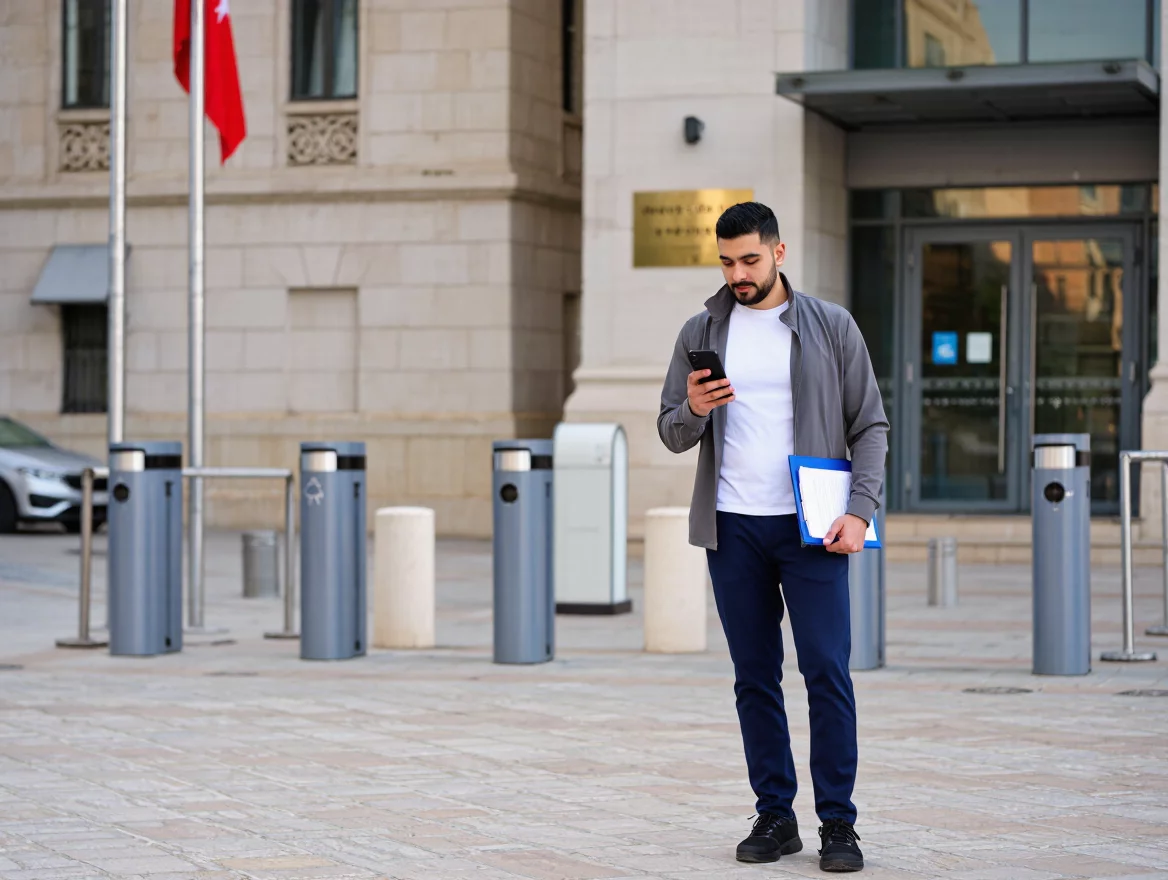
Contacting the Embassy of your Country of Registration in Turkey
What is the Embassy of the Country You are Registered in Turkey? What is an embassy and a consulate? An embassy is the highest-level diplomatic mission of a country, acting as its official representative in another country. Embassies are usually located in capitals and regulate diplomatic relations between countries. Consulates, on the other hand, are…
What is the Embassy of the Country You are Registered in Turkey?
What is an embassy and a consulate?
An embassy is the highest-level diplomatic mission of a country, acting as its official representative in another country. Embassies are usually located in capitals and regulate diplomatic relations between countries. Consulates, on the other hand, are units affiliated to embassies, located in different cities, providing services mostly for citizens. Many official transactions such as passport procedures, notary services and citizenship procedures are carried out through consulates.
For example, an Azerbaijani citizen living in Turkey can apply to both the Azerbaijani Embassy in Ankara, the capital of Turkey, and the consular office for various services. Consulates often offer faster and more accessible services at the local level. Both institutions play an important role in meeting the needs of their citizens living abroad.
Differences Between Embassy and Consulate
Embassies and consulates differ in role and function. While the embassy represents the strategic direction of a country’s international relations, consulates deal with more practical and transactional issues. For example, an embassy works on international agreements, while a consulate provides passport services and legal assistance to citizens. Embassies are usually staffed by ambassadors and diplomats, while consulates are staffed by consuls and their assistants.
Embassies are important for managing diplomatic relations and maintaining political dialogue between two countries. Consulates, on the other hand, offer a more personal and intimate service, responding to the everyday needs of citizens living abroad. For example, you can contact a consulate in Turkey to renew your passport or get a document notarized.
How to Contact Us
Basic Communication Channels
There are some basic channels you can use to communicate with embassies and consulates. Firstly, the telephone communication option is very effective in emergencies or for quick information. When searching, pay attention to the country code. Most of the embassies in Turkey try to help their citizens with all kinds of questions.
Email is one of the most preferred communication methods for official applications. Using clear, concise and comprehensible language in your e-mail will help you to resolve your transactions quickly. For example, if there is an error in a document, you can notify the embassy by e-mail and request a correction. Fax can also be used as a secure option, especially for sending official documents.
Contact Information of Foreign Embassies in Turkey
Many foreign embassies offer various services to their citizens in Turkey. For example, here is the contact information for the Embassy of the Republic of Azerbaijan in Ankara:
Email addresses for official business are ankara@mission.mfa.gov.az and consul_ankara@mission.mfa.gov.az. Thanks to this information, you can quickly access the services you need.
Call centers of the consulates in Turkey are also always available and offer a 24/7 communication channel. You can obtain such information from the official website of the Ministry of Foreign Affairs of the Republic of Turkey.
Duties of Foreign Embassies and Consulates
Citizen Transactions
Foreign embassies and consulates have an important responsibility to carry out official transactions for their citizens. These include passport renewal, notarial procedures, and important document procedures such as birth, death or marriage. Embassies also play a major role in Turkish citizenship applications. A person residing abroad should apply directly to the embassy for the approval of important documents or related procedures.
Embassies also ensure the safety of their citizens by providing assistance in case of emergency. They provide great guidance in protecting the legal rights of their citizens, offering emergency assistance in cases of lost passports, arrests or health problems.
Emergency Support Services
In emergency situations, embassies can provide a great deal of support. For example, if an individual is detained abroad or hospitalized with a medical condition, the embassy can provide both financial and moral support. Individuals living abroad should contact the embassy immediately if they encounter such situations and it is of utmost importance that they call the emergency hotline. Effectively using the emergency support services of one of the embassies in Turkey will help you overcome any problems you may encounter abroad.
Documents Required for Official Transactions
General Documents
Proceedings through foreign embassies or consulates usually require standard documents. The documents required for procedures such as residence permit, passport renewal, or issuance of identity documents are detailed on each embassy’s website. These documents include an application form, a photocopy of the identity card or passport and additional documents (e.g. birth certificate, marriage certificate).
When preparing your documents, it is useful to use the checklists available on the embassies’ websites. These checklists will be useful for you to know what kind of documents are required and which forms need to be filled in. Preparing the necessary documents fully and completely before each transaction will speed up your transaction process.
Document List Required by Transaction Type
The specific document requirements for each transaction may vary. For example, for passport renewal, it may be sufficient to submit your old passport, a photograph and a completed application form. However, when applying for Turkish citizenship at a consulate in Turkey, you may need to submit more documents; in this case, the preparation of additional documents such as family documents is an important step.
It is also important to get information about legal documents. By examining which documents embassies require for the approval of official documents and notary procedures, you can complete your transactions without any hitches.
Helpful Advice
Working Hours and Public Holidays
Paying attention to the working hours of embassies and consulates is critical to your transaction process. Generally, embassies are open during working hours on weekdays and closed on public holidays. Scheduling your transactions on these dates will avoid delays in the future.
Because many of the public holidays can be both local and international holidays, it is important to determine your operational requirements and plan accordingly before making contact. For example, it is worth checking embassy opening hours before important holidays such as New Year’s Eve.
Document Control and Preparations
Before making any contact, carefully check the documents you will need. This will not only help you keep your documents organized, but also ensure that your time at the embassy is efficient. In particular, do not forget that official documents and forms must be filled in completely and accurately. Applying with insufficient documents will waste time and delay your processing.
Finally, writing down contact lines and contacts in advance in case of an emergency is an important precautionary measure that can help you in any emergency. In addition, preparing alternative points of contact, such as the consulate call center, offers an effective solution to potential problems.
Frequently Asked Questions
Which embassies can I apply to in Turkey?
There are many foreign embassies in Turkey. You can contact the embassy of the country where you are registered.
Which number should I call in an emergency?
In case of emergency, you should call the embassy of the country you are in and use the emergency hotline of that country to get the necessary assistance.
What documents are required for my transactions?
The documents required for each procedure may vary. You can find the required documents on the website of the embassy you are applying to.